Ever received a message that simply said DTTM and wondered what it meant?
You’re not alone.
Internet slang evolves fast. New abbreviations appear every year, and keeping up with them can feel like learning an entirely new language.
Whether you’re chatting with friends, scrolling through TikTok comments, gaming on Discord or texting someone special understanding modern abbreviations helps you avoid confusion and communicate naturally.
The DTTM meaning in text is one of those abbreviations that pops up across social media and messaging apps.
Depending on the situation it can signal frustration embarrassment exhaustion, or simply a playful way of saying someone needs a break.
This guide explains exactly what DTTM means where it came from how to use it correctly common mistakes people make and plenty of real-world examples.
Updated for 2026.
What Does “DTTM” Mean?
Quick Answer
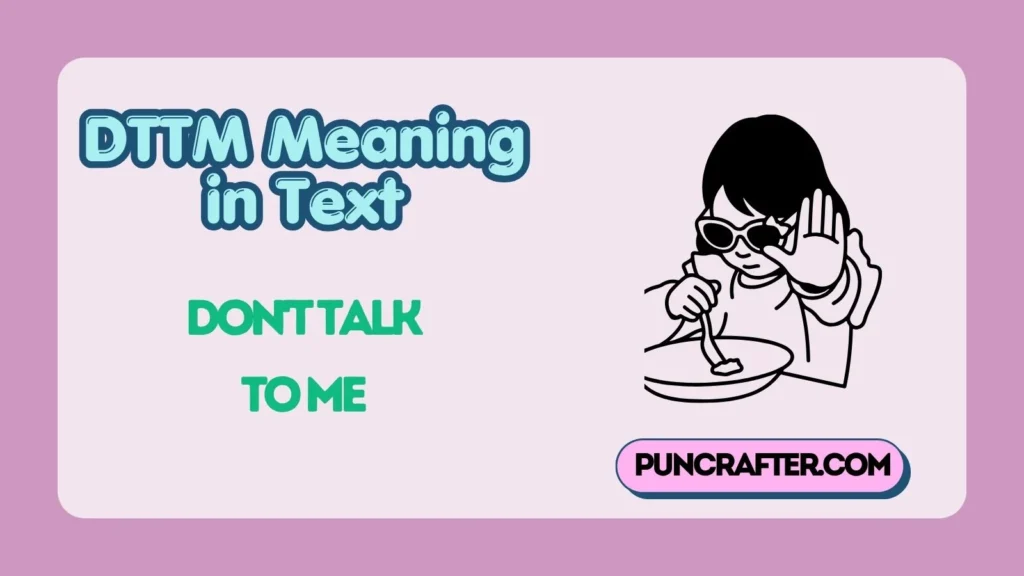
DTTM stands for “Don’t Talk To Me.” It is commonly used in text messages, social media, and online chats when someone feels embarrassed, annoyed, overwhelmed, or wants temporary space.
The phrase isn’t always meant literally.
Sometimes a person says DTTM after making a funny mistake.
Other times they’re expressing frustration after a bad day.
Definition
DTTM = Don’t Talk To Me
It’s an informal abbreviation that communicates:
- Frustration
- Embarrassment
- Emotional overwhelm
- Temporary annoyance
- Playful dramatic reactions
Origin of DTTM
Unlike older abbreviations such as LOL or BRB, DTTM emerged from internet culture and social media shorthand.
As messaging became faster, users started shortening longer emotional phrases into abbreviations. “Don’t talk to me” eventually became DTTM in text conversations, tweets, gaming chats, and meme culture.
The abbreviation gained visibility through:
- Twitter/X posts
- TikTok captions
- Snapchat stories
- Instagram comments
- Discord servers
Pronunciation
Most people spell it out letter by letter:
D-T-T-M
Very few people pronounce it as a word.
How to Use “DTTM” Correctly in Texts & Chat
Understanding tone is everything.
The same DTTM message can sound playful or serious depending on context.
Casual Usage
The most common use is humorous exaggeration.
Example:
“Dropped my phone in the sink. DTTM 😭”
The person isn’t actually asking everyone to stop talking to them. They’re expressing frustration dramatically.
Emotional Usage
DTTM can also communicate genuine feelings.
Example:
“Today has been terrible. DTTM for a while.”
Here, the person may genuinely want space.
Platform-Specific Usage
SMS & Text Messages
Used between close friends or family.
Example:
“DTTM. I just sent that message to the wrong person.”
Common in group chats after embarrassing moments.
Instagram DMs
Often paired with laughing or crying emojis.
Example:
“DTTM 😂😂”
TikTok
Popular in captions describing awkward experiences.
Discord
Frequently used by gamers after losing a match.
Less common but occasionally appears in casual discussions.
When NOT to Use DTTM
Avoid DTTM in:
- Job applications
- Business emails
- Academic papers
- Professional meetings
- Customer support conversations
Because it’s slang, it may appear unprofessional or confusing.
Formatting Tips
Most users write:
- DTTM
- dttm
- Dttm
Common emoji pairings:
- 😭
- 😂
- 💀
- 🙃
- 😩
Real Conversation Examples Using “DTTM”
Example 1: Between Friends
Alex: I just called my teacher “Mom.”
Jordan: No way 😂
Alex: DTTM.
Meaning: Embarrassment mixed with humor.
Example 2: Dating Scenario
Taylor: I accidentally liked a photo from 2019.
Sam: That’s painful.
Taylor: DTTM forever 😭
Meaning: Playful embarrassment.
Example 3: Family Group Chat
Mom: You forgot your lunch again.
Chris: DTTM.
Meaning: Lighthearted frustration.
Example 4: Work Chat with Friends
Emma: I showed the wrong presentation.
Jake: How bad was it?
Emma: DTTM 😩
Meaning: Stress and embarrassment.
Example 5: Gaming Session
1: We lost again.
2: By one point.
1: DTTM.
Meaning: Frustration after a loss.
Common Mistakes & Misunderstandings
1. Thinking DTTM Is Always Serious
Many people assume DTTM means someone is angry.
In reality, it’s often used jokingly.
A friend saying “DTTM” after tripping over a chair is probably laughing, not upset.
2. Using It in Formal Settings
DTTM belongs in casual conversations.
Using it in professional communication can confuse readers.
Instead of:
“DTTM today.”
Try:
“I’m unavailable at the moment.”
3. Misreading the Tone
Context matters.
A message with crying-laughing emojis usually signals humor.
A standalone DTTM message after an argument may be more serious.
Generational Differences
Gen Z tends to use DTTM dramatically and humorously.
Millennials may understand it but use it less frequently.
Older generations often ask what it means because it isn’t part of traditional texting vocabulary.
Regional Differences
The abbreviation is generally understood across English-speaking countries, including:
- United States
- United Kingdom
- Canada
- Australia
Usage patterns remain largely similar worldwide.
DTTM Across Different Platforms & Demographics
Gen Z Usage
Gen Z often uses DTTM as a meme reaction.
Examples:
- After awkward moments
- During viral trends
- In humorous captions
Millennials
Millennials typically use it less frequently but still recognize its meaning.
Older Generations
Less common among older users, who may prefer writing the full phrase.
TikTok
DTTM frequently appears in captions describing:
- Embarrassing moments
- Dating mishaps
- School stories
- Workplace mistakes
Often used alongside reaction memes and reels.
Discord
Popular among gaming communities after frustrating matches.
Is DTTM Safe for Work?
No.
While not offensive, DTTM is informal internet slang and isn’t suitable for professional communication.
Why It Became Popular
The abbreviation reflects a broader trend toward:
- Faster communication
- Short-form content
- Meme culture
- Emotion-based reactions
Its simplicity makes it easy to understand and share.
Related Slang Abbreviations & Alternatives
| Term | Meaning |
|---|---|
| LOL | Laughing Out Loud |
| LMAO | Laughing Extremely Hard |
| BRB | Be Right Back |
| AFK | Away From Keyboard |
| SMH | Shaking My Head |
| IDC | I Don’t Care |
| TBH | To Be Honest |
| IMO | In My Opinion |
| ICYMI | In Case You Missed It |
| FOMO | Fear Of Missing Out |
Similar Alternatives
- Leave me alone
- Need a break
- Taking a timeout
- Not in the mood
- Give me a minute
Opposite Expressions
- Let’s talk
- Call me
- DM me
- Hit me up
- Let’s chat
Why People Use DTTM Instead of Writing Full Messages
Digital communication moves fast, and abbreviations help people respond quickly without typing long sentences. DTTM saves time while still delivering a clear message. Many users prefer shorthand expressions because they feel more casual, conversational, and natural in text conversations. The abbreviation can also add personality and familiarity to online interactions, especially among friends and younger users.
Emotional Tone Behind DTTM
The meaning of DTTM often depends on the mood of the conversation. In some cases, it may sound playful and lighthearted. In others, it can convey urgency, frustration, excitement, or a desire for attention. Understanding the emotional context helps prevent misunderstandings and ensures the message is interpreted correctly.
Situations Where DTTM Is Most Commonly Used
DTTM frequently appears during everyday conversations when someone wants to keep communication brief. Common situations include catching up with friends, discussing plans, sharing updates, reacting to social media posts, or responding during busy moments. The abbreviation works best when both people are familiar with internet slang and texting culture.
How DTTM Reflects Modern Communication Trends
The rise of abbreviations like DTTM reflects a broader shift toward faster and more efficient communication. Social media, instant messaging apps, and mobile devices have encouraged users to shorten words and phrases. This trend continues to shape how people communicate online, creating a constantly evolving digital vocabulary.
The Role of DTTM in Online Friendships
Online friendships often rely heavily on text-based communication. Abbreviations such as DTTM help maintain casual and ongoing conversations without requiring lengthy messages. They create a sense of familiarity and shared understanding among friends who communicate frequently through messaging platforms.
DTTM and Social Media Engagement
Users sometimes include DTTM in captions, stories, comments, or posts to encourage interaction. It can serve as an invitation for followers to start conversations, ask questions, or share opinions. This makes it a useful tool for increasing engagement and building stronger online communities.
How Context Changes the Meaning of DTTM
Like many internet abbreviations, DTTM can carry different meanings depending on the surrounding conversation. The same abbreviation may express curiosity in one situation and urgency in another. Looking at previous messages, emojis, and the relationship between participants can help determine the intended meaning.
Differences Between DTTM and Similar Texting Abbreviations
Although DTTM may appear similar to other chat abbreviations, each serves a unique purpose. Some abbreviations focus on requesting information, while others express emotions, reactions, or opinions. Understanding these distinctions helps users communicate more accurately and avoid confusion during conversations.
How New Internet Users Can Understand DTTM Faster
People who are new to online slang may initially find abbreviations confusing. One of the easiest ways to learn terms like DTTM is by observing how they are used in real conversations. Over time, repeated exposure through texts, social media posts, and online communities makes these abbreviations easier to recognize and understand.
Is DTTM Likely to Stay Popular?
Internet slang changes rapidly, but abbreviations that are easy to remember often remain relevant for years. DTTM benefits from being short, simple, and adaptable to different situations. While new slang terms constantly emerge, abbreviations with practical everyday uses tend to maintain their popularity across multiple platforms.
How Parents and Educators Can Interpret DTTM
Parents, teachers, and guardians sometimes encounter abbreviations they don’t recognize in messages or social media posts. Understanding terms like DTTM can help them better understand modern digital communication. In most cases, the abbreviation is harmless and simply reflects contemporary texting habits rather than secretive behavior.
The Future of Texting Abbreviations Like DTTM
As communication technology evolves, new abbreviations will continue to appear. Artificial intelligence, voice messaging, and emerging social platforms may influence future slang trends, but the need for quick and efficient communication will likely keep abbreviations like DTTM relevant. Their ability to simplify conversations ensures they remain a valuable part of digital language.
FAQs:
What does DTTM mean in texting?
DTTM usually means “Don’t Talk To Me.” It expresses frustration, embarrassment, stress, or a desire for temporary space. In many cases, it’s used jokingly rather than literally.
Is DTTM considered rude?
Not necessarily. The tone depends entirely on context. Friends often use it humorously after awkward situations. However, using it during serious conversations may come across as dismissive.
What social media platforms use DTTM?
You’ll most commonly see DTTM on TikTok, Instagram, Snapchat, Discord, WhatsApp, and text messaging apps where short-form communication is popular.
Does DTTM always mean someone wants to be left alone?
No. Many users employ it as a dramatic reaction to something embarrassing or funny. Context and accompanying emojis usually reveal the intended meaning.
Should I use DTTM at work?
It’s best not to. DTTM is informal internet slang and may confuse colleagues or appear unprofessional in workplace communication.
Conclusion:
The DTTM meaning in text is simple it stands for Don’t Talk To Me. Yet its actual meaning often depends on context tone and the relationship between the people chatting.
Most of the time DTTM isn’t a serious request for silence. It’s a funny dramatic way of reacting to embarrassment frustration or an awkward moment.
As internet slang continues evolving understanding abbreviations like DTTM helps you communicate confidently across texts social media gaming communities and group chats.

Hi, I’m Lina Roys, the writer behind Puncrafter, where I shape simple words into clever lines that spark instant smiles.I write with heart and humor, crafting puns that feel light, warm, and impossible to scroll past.